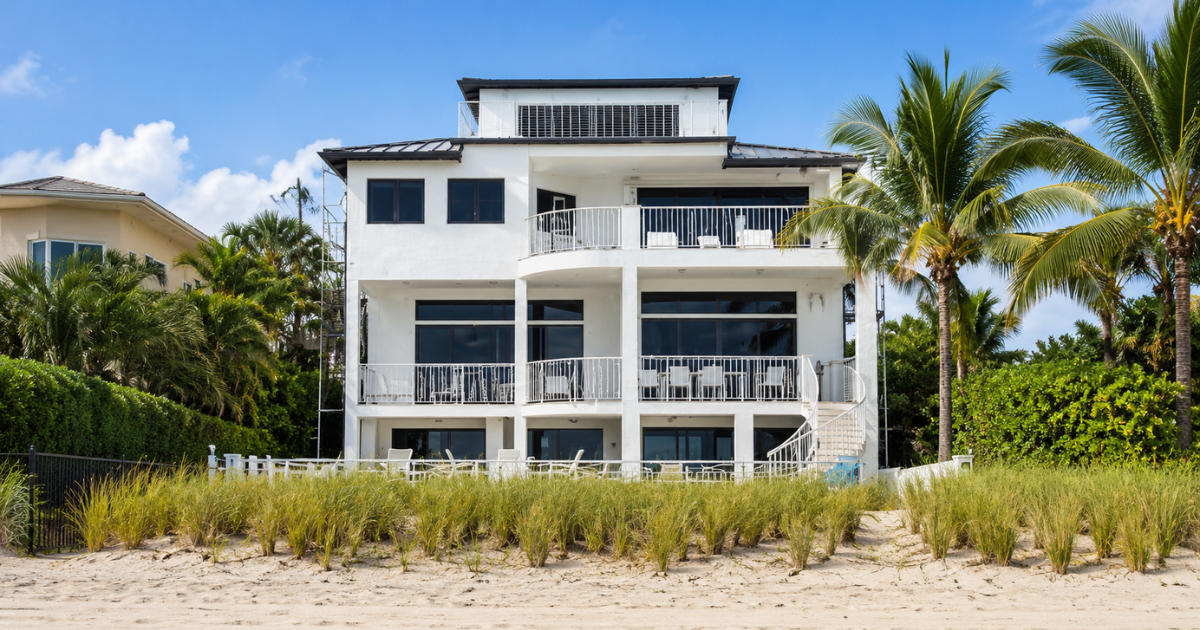
Living near the ocean is one of the biggest perks of living in South Florida. From the beautiful beaches of Fort Lauderdale and Boca Raton to the waterfront communities of Jupiter, Palm Beach, Stuart, and Vero Beach, coastal living offers incredible views—but it also comes with unique challenges for your home’s exterior.
One of the biggest threats to your home’s paint isn’t always the sun or the rain—it’s salt air.
If you’ve noticed your home’s exterior paint fading, chalking, peeling, or blistering sooner than expected, salt exposure could be the reason. At Tru Colors Contracting, we’ve helped homeowners throughout Broward County, Palm Beach County, Martin County, St. Lucie County, and Miami-Dade County restore and protect their homes against Florida’s harsh coastal environment.
Here’s what every Florida homeowner should know.
Why Is Salt Air So Damaging?
Ocean breezes carry tiny salt particles that settle onto virtually every exterior surface of your home.
Over time, these salt deposits:
- Break down paint coatings
- Trap moisture against surfaces
- Accelerate corrosion on metal
- Increase surface wear from UV exposure
- Cause paint to lose adhesion
Unlike dirt or pollen, salt doesn’t simply blow away. It continually attracts moisture from the humid Florida air, creating conditions that slowly degrade your home’s protective paint system.
The closer your home is to the coastline, the greater the exposure.
Signs Salt Air Is Damaging Your Exterior Paint
Many homeowners don’t realize salt damage is occurring until the paint has already begun to fail.
Common warning signs include:
- Premature fading
- Chalky residue on painted surfaces
- Bubbling or blistering paint
- Peeling or flaking finishes
- Hairline cracking
- Rust stains around fasteners and metal fixtures
- Paint wearing away faster on ocean-facing walls
If your home is within a few miles of the coast, these issues often appear years sooner than they would inland.
Salt Air Plus Florida Weather Is a Tough Combination
Salt isn’t working alone.
Florida homes also face:
- Intense UV rays year-round
- Heavy seasonal rain
- High humidity
- Wind-driven storms
- Hurricane season
- Rapid temperature changes between sun and shade
Together, these conditions create one of the harshest environments for exterior paint anywhere in the country.
That’s why choosing the right products—and applying them correctly—is essential.
Which Homes Are Most at Risk?
Salt air doesn’t only affect beachfront homes.
Properties throughout South Florida and the Treasure Coast can experience accelerated paint deterioration, including homes in:
- Fort Lauderdale
- Lighthouse Point
- Hillsboro Beach
- Deerfield Beach
- Boca Raton
- Delray Beach
- Boynton Beach
- West Palm Beach
- Jupiter
- Palm Beach Gardens
- Stuart
- Port St. Lucie
- Vero Beach
- Miami
- Miami Beach
- Hollywood
- Pompano Beach
Even homes several miles inland can accumulate enough salt over time to shorten the life of exterior coatings.
How Professional Surface Preparation Makes the Difference
One of the biggest reasons exterior paint fails early is poor preparation.
Before any new paint is applied, salt contamination must be properly removed.
At Tru Colors Contracting, our preparation process may include:
- Professional pressure washing
- Removal of salt buildup
- Cleaning mildew and organic growth
- Surface repairs
- Stucco crack repair
- Caulking around windows and doors
- Priming bare or repaired areas
Without proper preparation, even premium paint can struggle to adhere correctly.
Preparation is what separates a paint job that lasts five years from one that lasts ten or more.
Choosing the Right Paint for Coastal Homes
Not all exterior paints are designed for Florida’s climate.
For coastal properties, we recommend premium exterior coatings that offer:
- Exceptional UV resistance
- Excellent color retention
- Moisture resistance
- Flexible finishes that resist cracking
- Mildew-resistant technology
- Strong adhesion to stucco, concrete, masonry, wood, and fiber cement
High-quality paints combined with professional application provide significantly longer-lasting protection against salt air and Florida weather.
Don’t Forget About Other Exterior Surfaces
Salt air affects more than just your siding.
It can also damage:
- Front doors
- Garage doors
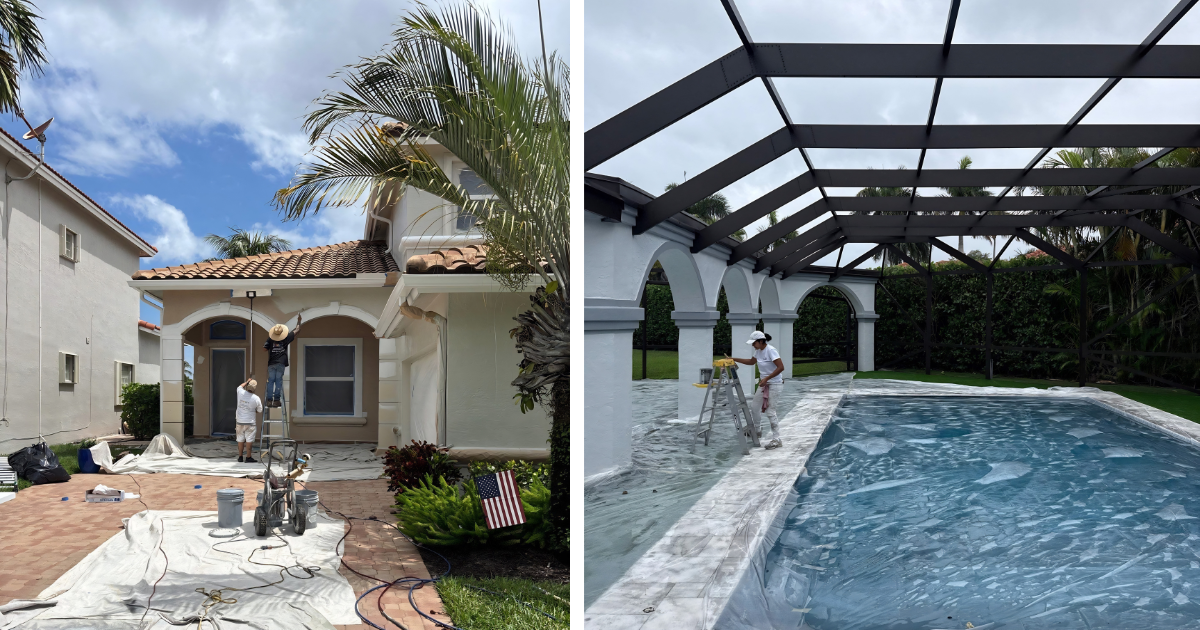
- Pool enclosures
- Screen enclosures
- Metal railings
- Balcony railings
- Fences
- Decorative trim
- Outdoor wood features
Keeping these surfaces properly painted, sealed, or refinished helps prevent costly repairs and corrosion.
Tru Colors Contracting also provides metal refinishing, wood staining, waterproofing, and protective coatings to extend the life of these exterior features.
How Often Should Coastal Homes Be Repainted?
There isn’t one answer for every home.
The lifespan of your exterior paint depends on:
- Distance from the ocean
- Sun exposure
- Previous paint quality
- Surface material
- Maintenance
- Preparation during the last paint job
As a general guideline:
| Location | Expected Paint Life |
|---|---|
| Oceanfront homes | 5–7 years |
| Homes within several miles of the coast | 6–9 years |
| Inland South Florida homes | 8–12 years |
Routine washing and annual inspections can help maximize the life of your exterior paint.
Tips to Extend the Life of Your Exterior Paint
Protect your investment by following these simple maintenance tips:
- Wash exterior surfaces at least once or twice each year to remove salt deposits.
- Address peeling or cracked paint before moisture gets underneath.
- Repair damaged caulking around windows and doors.
- Trim landscaping that traps moisture against walls.
- Schedule regular inspections for signs of paint failure.
- Choose experienced painting professionals who understand Florida’s coastal environment.
Small maintenance tasks today can prevent expensive repainting projects tomorrow.
Why Homeowners Across South Florida Choose Tru Colors Contracting
Painting coastal homes requires more than simply applying a fresh coat of paint.
Our team understands how Florida’s climate affects different building materials and uses proven preparation methods and premium coatings designed for long-term performance.
We’ve helped homeowners throughout Broward County, Palm Beach County, Martin County, St. Lucie County, and Miami-Dade County protect their homes from salt air, moisture, and intense Florida weather.
Whether your home overlooks the ocean or sits several miles inland, we’ll recommend the right products and preparation methods to maximize the life of your exterior paint.
Protect Your Home From Florida’s Coastal Climate
Salt air is unavoidable—but premature paint failure doesn’t have to be.
If your home’s exterior is showing signs of fading, peeling, chalking, or weather damage, Tru Colors Contracting can help restore its appearance while providing long-lasting protection against South Florida’s demanding coastal conditions.
Contact Tru Colors Contracting today for a free estimate and let our experienced team help keep your home looking beautiful for years to come.
Frequently Asked Questions
Does salt air really damage exterior paint?
Yes. Salt particles settle on painted surfaces, attract moisture, and gradually weaken the paint film, leading to fading, chalking, peeling, and premature failure—especially in coastal climates like South Florida.
How close to the ocean does salt air affect homes?
Salt air can impact homes several miles inland. Properties closest to the beach experience the fastest deterioration, but even inland homes in South Florida and the Treasure Coast can benefit from coatings designed for coastal conditions.
What type of paint is best for coastal homes?
Premium acrylic exterior paints with strong UV resistance, moisture protection, mildew resistance, and excellent adhesion perform best in Florida’s coastal environment when paired with proper surface preparation.
How can I make my exterior paint last longer?
Regular pressure washing to remove salt buildup, repairing cracks and caulking, using high-quality paints, and hiring experienced professionals for proper preparation all help extend the life of your exterior paint.
