Whether you’re repainting your home’s exterior, waterproofing a balcony, refinishing metal railings, or installing a durable garage floor coating, one step determines the success of the project more than any other: proper surface preparation.
At Tru Colors Contracting, we often tell homeowners that the finish you see is only as good as the surface beneath it. Premium paints, waterproofing systems, stains, and specialty coatings can only perform as designed when they’re applied to a properly prepared substrate.
Unfortunately, surface preparation is also the step that’s most commonly rushed or overlooked by inexperienced contractors. While skipping prep work may reduce labor costs upfront, it often leads to peeling paint, coating failures, water intrusion, rust, or premature deterioration—resulting in expensive repairs much sooner than expected.
In this guide, we’ll explain why surface preparation is so important, what the process involves, and why every painting and restoration service requires a unique approach.
Why Surface Preparation Matters
Surface preparation is the process of evaluating, cleaning, repairing, and preparing a surface before applying paint, coatings, stains, sealers, or waterproofing systems.
Think of it like building a house. No matter how beautiful the finishes are, they won’t last if the foundation isn’t solid.
Proper preparation helps ensure:
- Strong adhesion between the coating and the surface
- Longer-lasting finishes
- Better color consistency
- Improved durability
- Greater resistance to moisture, UV rays, and Florida’s harsh climate
- Reduced maintenance over time
In South Florida, this step is especially important because homes and commercial buildings are exposed to intense sunlight, heavy rain, humidity, salt air, mold, and fluctuating temperatures throughout the year.
Why Most Paint and Coating Failures Happen
Many homeowners assume paint fails because the product wasn’t good enough.
In reality, the opposite is usually true.
Most coating failures are caused by poor preparation—not poor paint.
Common causes include:
Dirt and Contamination
Dust, chalking, grease, mildew, oxidation, and salt deposits prevent coatings from bonding correctly.
Even the highest-quality paint won’t adhere properly to a dirty surface.
Moisture Problems
Applying coatings over damp substrates is one of the leading causes of:
- Bubbling
- Blistering
- Peeling
- Delamination
- Waterproofing failures
Moisture issues must always be identified before work begins.
Existing Coating Failure
Painting over peeling or loose paint simply transfers the problem to the new coating.
If the old coating isn’t properly removed or stabilized, the new finish will eventually fail with it.
Surface Damage
Cracks, deteriorated stucco, damaged concrete, rusted metal, rotted wood, or failing sealants all compromise the performance of new coatings.
Repairing these issues before painting helps extend the life of the finished project.
Improper Priming
Different materials require different primers.
Concrete, stucco, wood, galvanized metal, aluminum, steel, masonry, drywall, and previously painted surfaces all require specific preparation methods and compatible primers.
Using the wrong primer—or skipping it entirely—can significantly reduce coating performance.
Every Surface Requires a Different Preparation Process
One of the biggest misconceptions in the industry is that preparation is the same for every project.
In reality, every material behaves differently.
For example:
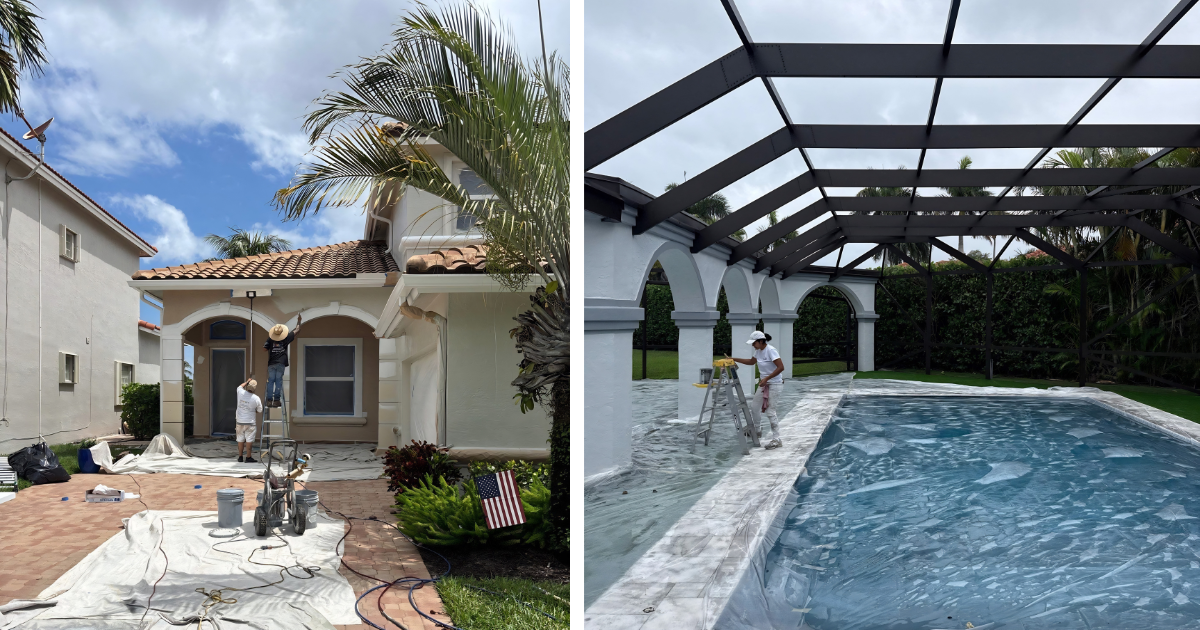
- Exterior stucco requires cleaning, crack repairs, and elastomeric-compatible primers.
- Concrete floors often require mechanical grinding and moisture testing before coatings can be applied.
- Aluminum pool enclosures require oxidation removal and specialty bonding primers.
- Cabinets require thorough degreasing, sanding, and high-adhesion primers.
- Waterproofing systems require extensive surface profiling and crack treatment before membranes are installed.
Professional contractors customize the preparation process based on the substrate—not just the coating being applied.
The Tru Colors Contracting Inspection Process
Every successful project begins with a thorough inspection.
Before recommending a solution, our team evaluates the condition of the surface to identify any underlying issues that could affect long-term performance.
Depending on the project, we inspect for:
- Peeling or failing paint
- Moisture intrusion
- Cracks
- Stucco damage
- Concrete deterioration
- Rust and corrosion
- Wood rot
- Loose caulking
- Surface contamination
- Previous coating failures
- Areas exposed to excessive UV or salt air
This inspection allows us to recommend the most appropriate preparation methods before any coating is applied.
Moisture Testing: A Step That Should Never Be Skipped
Moisture is one of the biggest threats to paint and coating performance.
Many problems aren’t visible on the surface.
Concrete slabs, balconies, walls, and masonry can hold moisture long after they appear dry.
When coatings are applied over trapped moisture, pressure builds beneath the surface, eventually causing:
- Bubbling
- Peeling
- Efflorescence
- Waterproofing failure
- Loss of adhesion
When required, moisture testing helps determine whether a surface is ready for coating or if additional drying time or repairs are necessary.
Cleaning the Surface Properly
Cleaning is much more than removing visible dirt.
Professional surface preparation removes contaminants that interfere with adhesion.
Depending on the project, this may include:
- Pressure washing
- Soft washing
- Degreasing
- Mold and mildew treatment
- Salt residue removal
- Rust removal
- Concrete cleaning
- Dust removal after grinding
Proper cleaning ensures primers and coatings bond directly to the substrate instead of to contaminants.
Repairing the Surface Before Coating
Preparation often involves repairing defects before any finish coat is applied.
This may include:
Stucco Repairs
Small cracks can allow water intrusion that leads to larger structural issues over time.
Repairing damaged stucco creates a uniform surface while helping to protect the building envelope.
Drywall Repairs
Interior painting projects often require patching holes, repairing nail pops, smoothing joints, and sanding imperfections to achieve a seamless finish.
Concrete Repairs
Garage floors, balconies, patios, and walkways may require crack repairs, patching, or leveling before specialty coatings are installed.
Metal Repairs
Metal surfaces may require rust removal, corrosion treatment, sanding, or replacement of damaged sections before refinishing.
Wood Repairs
Damaged or deteriorated wood should be repaired or replaced before staining or painting to ensure long-term durability.
Priming: More Than Just an Extra Coat
Many people think primer is simply a thinner version of paint.
It’s actually engineered to perform several critical functions.
Primer helps:
- Improve adhesion
- Seal porous surfaces
- Block stains
- Increase coating durability
- Create a uniform finish
- Improve color consistency
Different projects require different primer systems depending on the surface and environmental conditions.
Using the correct primer can dramatically extend the lifespan of the finished project.
Surface Profiling for Concrete and Specialty Coatings
Concrete coatings require more than cleaning.
Many specialty systems require the concrete to be mechanically profiled before installation.
Surface profiling creates microscopic texture that allows coatings to mechanically bond with the concrete.
Methods may include:
- Diamond grinding
- Bush hammering
- Shot blasting (where appropriate)
- Scarifying
- Mechanical abrasion
Without the correct profile, even premium coating systems can fail prematurely.
Why Preparation Differs by Service
Every Tru Colors Contracting service follows its own preparation process.
Exterior Painting
Preparation may include:
- Pressure washing
- Stucco repairs
- Caulking
- Sanding
- Priming
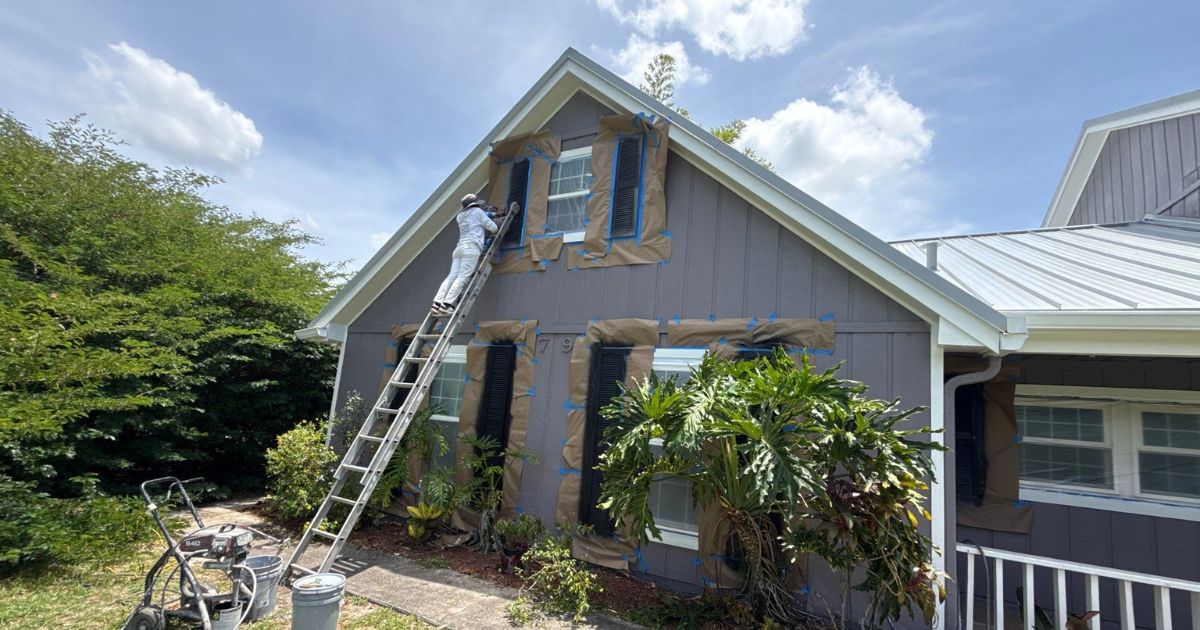
- Surface masking
Interior Painting
Preparation often involves:
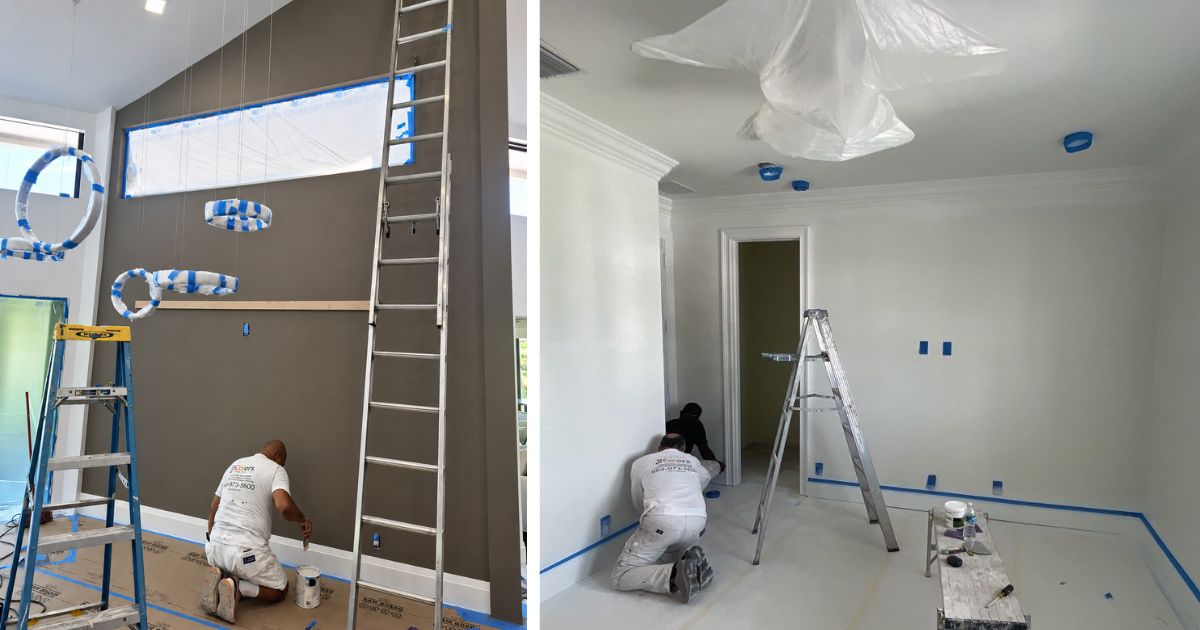
- Furniture protection
- Drywall repairs
- Sanding
- Priming
- Dust control
Waterproofing
Preparation is one of the most critical steps and may include:
- Surface grinding
- Moisture testing
- Crack treatment
- Primer application
- Reinforcing fabrics
- Surface profiling
Garage Floor Coatings
Preparation commonly includes:
- Moisture testing
- Diamond grinding
- Crack repair
- Concrete profiling
- Dust removal
Metal Refinishing
Preparation may include:
- Rust removal
- Oxidation removal
- Sanding
- Cleaning
- Specialty primers
Cabinet Refinishing
Preparation often includes:
- Cleaning and degreasing
- Hardware removal
- Sanding
- Filling imperfections
- Bonding primers
Wood Staining
Preparation typically involves:
- Cleaning
- Sanding
- Moisture evaluation
- Existing finish removal
- Surface brightening where needed
Why Professional Preparation Saves Money
Skipping preparation may reduce labor costs initially, but it often leads to:
- Earlier repainting
- Waterproofing failures
- Peeling coatings
- Rust returning sooner
- Reduced property value
- More expensive repairs later
Investing in proper preparation helps coatings last longer, protects your property, and reduces long-term maintenance costs.
Why Homeowners Should Ask About Preparation
When comparing painting or restoration contractors, don’t focus only on the paint brand or price.
Ask questions like:
- How do you inspect the surface before work begins?
- Will you repair damaged areas before painting?
- What type of primer will you use?
- Will you pressure wash or mechanically prepare the surface?
- How do you handle moisture issues?
- How do you prepare concrete before applying coatings?
A reputable contractor should be able to explain their preparation process in detail.
Trust Tru Colors Contracting to Do the Job Right
At Tru Colors Contracting, we believe exceptional results begin long before the first brushstroke or coating application.
Our team takes the time to properly inspect, clean, repair, and prepare every surface to give your project the best possible foundation for long-lasting performance. Whether we’re painting a home’s exterior, waterproofing a balcony, refinishing metal, or installing a durable floor coating, we follow proven preparation methods tailored to each surface and each project.
If you’re planning a painting or restoration project in Broward, Palm Beach, Martin, St. Lucie, or Miami-Dade County, contact Tru Colors Contracting today to schedule a consultation and learn how proper preparation can help protect your investment for years to come.
